

Top Notch After School Snacks
11 September 2013
No comments

Looking for a few more dishes to feed the kids when they get home? Here are three top notch after school snacks your kids will love:
Chicken Kabobs:
-Nutrition Facts: 126 calories, 4g carbs, 12g protein, 7g fat, 1g saturated fat
-Directions: Cut chicken breasts into long strips (about four strips per breast, depending on the size). Then, marinate the meat overnight in a mixture of equal parts vegetable oil and low-sodium soy sauce. Before the kids get home from school, stick the strips of chicken on kabob sticks and cook over a flat griddle. If you don’t have one accessible, simple fry in a pan and stick them on sticks after. Dip in a peanut sauce (combine peanut butter, soy sauce, honey, garlic and lime juice).
Cranberry Orange Muffins:
-Nutrition Facts: 175 calories, 31g carbs, 1g fiber, 2g protein, 5g fat, 0g saturated fat
-Directions: Preheat the oven to 375 degrees and spray a muffin pan with non-stick spray. Next, blend ½ cup of orange juice, 1 orange, 1 egg and ¼ cup of vegetable oil in a blender. In a bowl, combine 1 ½ cups of flower, ¾ cup of sugar, 1 teaspoon of baking powder, 1 teaspoon of baking soda and a pinch of salt. Stir in the blended liquids slowly. Mix in ½ cup of dried cranberries and pour the batter into the muffin tray. Bake for 20 minutes or until the outside of the muffins turn golden.
Homemade and Healthy (well, healthier) Whoopie Pies:
-Directions: Mix 2 cups of flour, ½ cup of coco powder, 1 ½ teaspoons of baking soda, and a pinch of salt. In another bowl, stir 1 ¼ cups of sugar, 3 eggs, ¾ cup of vegetable oil, 1 teaspoon of vanilla and 1 ½ cups of pureed beets. Set the oven to 350 degrees and drop small balls of the batter onto an oiled cookie sheet. Bake for 10 minutes.
For the filling, mix 2 tablespoons of softened butter, 3 tablespoons of marshmallow fluff, 1 cup of confectioners’ sugar and 1 tablespoon of milk. Spread the mixture onto the flat side of the cooled cake and push another cake on top.
-Photo courtesy of stockimages/freedigitalphotos.net

Tips on Toddler Discipline
04 September 2013
No comments

They call them the terrible twos for a reason. Toddlers are at an age where they don’t quite understand the world around them, but they certainly want to explore it. Because they lack a sense of limitations and boundaries, toddlers are known for getting into trouble now and then. But toddler discipline shouldn’t result in crushing their spirit or curiosity. Mom Trusted is here to offer parents and childcare workers alike tips on toddler discipline in an effort to teach little ones, not punish them.
Distract a tantrum thrower.
Distraction is a great technique for avoiding a toddler tantrum. If you see a screaming fit coming on, quickly engage the child in another interesting activity. Sing a song, read a book or play with a toy, really anything will work. You can also use this behavior if you catch your kid about to do something naughty, such as about to play with the stove.
Consistency is key.
Toddlers are still learning and aren’t trying to be deceitful, but genuinely don’t know right from wrong yet. Correcting the same wrong behavior every single time helps teach them.
Use bribery rarely.
No, bribing your children doesn’t make you a bad parent or teacher, but it is a technique that should hardly ever be used. Think about it this way, the rarity of this disciplinary tactic will only add to its power.
Don’t take it personally.
Acting out doesn’t mean kids don’t like you or that they’re bad children. They’re just exploring their boundaries.
Reward good behavior.
When a child does something correctly, let them know. Clap and smile. Positive reinforcement works better than any type of discipline.
Sources:
-“Secrets to Toddler Discipline” Parents.com: http://www.parents.com/toddlers-preschoolers/discipline/tips/secrets-to-toddler-discipline/#page=1
-“No Bad Kids: Toddler Discipline Without Shame (9 Guidelines)” Janet Lansbury: http://www.janetlansbury.com/2010/04/no-bad-kids-toddler-discipline-without-shame-9-guidelines/
-“8 Tools for Toddler Discipline” Ask Dr. Sears: http://www.askdrsears.com/topics/discipline-behavior/8-tools-toddler-discipline
-Photo courtesy of arztsamui/freedigitalphotos.net

Free Preschool: Yes, It really exists!
29 August 2013
No comments

With the steep costs of preschool, many parents are searching for lower costing options or even eliminating pre-k altogether. Those in Los Angeles County may have a more affordable option at their fingertips. The Un Mundo de Amigos Preschool offers free and affordable preschool to kids in the LA county.
Un Mundo de Amigos offers free half-day preschool without any financial restrictions. The only requirements are that the families live in LA County and children fall within the birthday perimeters. Un Mundo de Amigos does, however, still offer affordable childcare to families of kids who are younger than four or those who’d like their kids to participate in the full-day program. Families who fall into those categories are welcome to opt for the program’s private pay option, which costs $5 per hour, still much lower than most other pre-k programs.
Laurie Peterson, who had previously worked in the business of PG golf tournaments, founded Un Mundo de Amigos after seeing the joy her own son got from starting school. “I realized that not every child had had the same beginnings as he has had,” said Peterson. “And yet every parent loves their child as much as I love him.”
Most of it is funded through the Los Angeles Universal Preschool, a non-profit dedicated to increasing preschool affordability and access in the LA area. In 1999, as a result of a 50-cent tax law on cigarettes and other tobacco products in California, more funding was put toward early childhood development. Eighty percent of the new revenue was distributed among counties in California and backs organizations such as LAUP, working to improve the lives and education of children from the age of birth to five years old.
The program has been going strong and just graduated its fifth preschool class. Un Mundo de Amigos enrolls about 130 students each year and this year is no different. With the school year officially beginning in September, Un Mundo de Amigos has a handful of spots available in its free program and only one private place still open.
For more information about Un Mundo de Amigos Preschool, click here.

Ringworm on Kids
29 August 2013
No comments
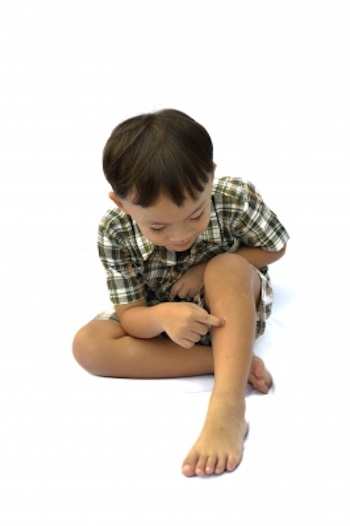
Have you noticed an itchy rash, leaving circles on your child’s body? It could appear on their chest, stomach, arms, head, toes or anywhere in between. It could be the size of a dime or a dinner plate, depending on how much they’ve been scratching. The most distinctive feature is the ring-shaped rash, which is likely ringworm. Here’s what you need to know about ringworm on kids:
What is it?
Despite the gross name, a child with ringworm does not have a parasite in their skin. ringworm is actually a fungus. Infact, it’s the same fungus called athlete’s foot when on the feet, or jock itch when found on the groin and upper thighs.
How can they get it?
Ringworm is contagious and spread from person-to-person, as well as by many animals such as cats. It can even be picked up in the soil.
Symptoms
In addition to the ring-shaped pattern, some kids develop a low-grade fever with the fungus. If spread to the finger or toenails, the nails become thick and yellow. The scalp can also be infected with ringworm and will often develop an itchy, flakey patch. When just starting out, small, itchy bumps pop up and eventually spread to the ring pattern. Scratching can speed up the process by aggravating and spreading the fungus.
Treatment
Antifungal creams are available for treatment at your common drugstore. Topical ointments work for lesser cases. If the fungus has spread dramatically or the topical creams don’t seem to be working after about a week, visit your doctor. Doctors can prescribe antifungal medication to help treat ringworm on kids. Treat right away to avoid spreading it to other family members or children at the childcare center or school.
Prevention
Avoid ringworm by showering after sports or touching animals. Have the kids wear sandals in public restrooms and showers.
Sources:
-“Ringworm” Teens Health: http://kidshealth.org/teen/infections/fungal/ringworm.html
-“No-Panic Guide to Kids’ Cooties” Parents.com: http://www.parents.com/health/bug-bites/no-panic-guide-to-kids-cooties/?page=5
-“Ringworm” Baby Center: http://www.babycenter.com/0_ringworm_10884.bc
-Photo courtesy of arztsamui/freedigitalphotos.net

The Healthy Lunchtime Challenge 2013
26 August 2013
No comments

Fifty-four kids, ages 8 to 12, attended the second annual State Dinner, hosted at the White House by Michelle Obama. They were there on July 13 to celebrate winning the Healthy Lunchtime Challenge. At dinner, some of the winners’ healthy recipes, submitted by the kids that were affordable and easy, were served to the guests. A child and guardian from each state attended.
There were 54 winning dishes in total (one from each of the states and each U.S. territory). The recipes hit a wide variety of flavors, ingredients and courses. Some salad favorites included Colorado’s Nicholas Hornbostel de Moura e Silva’s sushi salad and Ingrid Gruber’s, from D.C., Inga Binga’s Salmon Salad. North Carolina’s Vijay Dey won with her famous spring rolls and Campbell Kielb, from Virginia, made the list with her orange-chicken lettuce wraps.
The winners were selected from over 1,300 entries. They shined and dined with one another, making new friends and supporting healthy eating around the country. The dinner was set to mirror official State dinners, allowing the kids to see what it’s like to be a world leader. Michelle thanked the kids and parents for their hard work and healthy leadership skills. President Obama even made a surprise visit.
The Healthy Lunchtime Challenge was founded to compliment Mrs. Obama’s Let’s Move campaign. Let’s Move focuses on making healthy food more available, in both schools and homes, and encouraging kids to stay physically active. The First Lady’s initiative is meant to fight obesity and teach healthy lifestyles in children, helping them lead healthier lives.
To try some of the winning recipes for yourself, download the 2013 Healthy Lunchtime Challenge Cookbook for free.
Sources:
-“Learn the Facts” Let’s Move: http://www.letsmove.gov/learn-facts/epidemic-childhood-obesity
-“Announcing the winners of the 2013 Healthy Lunchtime Challenge” http://www.recipechallenge.epicurious.com/
-“2013 Healthy Lunchtime Challenge Cookbook” http://www.epicurious.com/images/pdf/TheEpicuriousHealthyLunchtimeChallengeCookbook2013.pdf
-“The 2013 Kids’ State Dinner” Let’s Move: http://www.letsmove.gov/kids-state-dinner
-“The 5 Best Moments from the 2013 Kids’ State Dinner” The White House Blog: http://www.whitehouse.gov/blog/2013/07/09/5-best-moments-2013-kids-state-dinner
-Photo courtesy of Damian Brandon/freedigitalphotos.net

Head Start Program Saw Big Budget Cuts
23 August 2013
No comments

This fall, 57,000 children in need of preschool through the Head Start program will be out of luck. This year, Head Start program saw big budget cuts, in fact, the biggest the program has seen in history.
The White House said the lack of funding is due to spending cuts, resulting from the sequestration. Head Start has been around since the mid-1960s and this is by far the largest cut it’s ever seen. Many worry that this dramatic loss of funding will hurt the ones who need help the most: low-income families struggling to afford preschool. In 2012, Head Start served over one million families, but now, nearly 60,000 less will be included this school year.
Kids aren’t the only ones who will suffer from the cuts. Around 18,000 Head Start employees will lose their jobs due to the lack of funding. The grand total of funding loss sits at a heavy $400 million. Cuts are expected to take place by the end of September.
The good news? Those looking for affordable childcare and preschool programs in their area have come to the right spot. At Mom Trusted, we’re always sad to hear about less funding for great programs like Head Start, but we’re still here to help parents in need find the best possible match for their families. Visit MomTrusted.com to start your search now!
Sources:
-“Head Start hit with worst cuts in its history” USA Today: http://www.usatoday.com/story/news/nation/2013/08/19/stateline-head-start/2671309/
-“57,000 fewer children will be in the Head Start program because of spending cuts, the White House says” NY Daily News: http://www.nydailynews.com/new-york/education/budget-cuts-whack-head-start-article-1.1431355
-“Head Start budget cuts cost kids, jobs” LA Daily News: http://www.dailynews.com/general-news/20130814/head-start-budget-cuts-cost-kids-jobs
-Photo courtesy of David Castillo Dominici/freedigitalphotos.net

Approved for All Ages: Childproofing Around Your Home
08 August 2013
No comments
Guest Post by: Angelo DiGangi of Home Depot
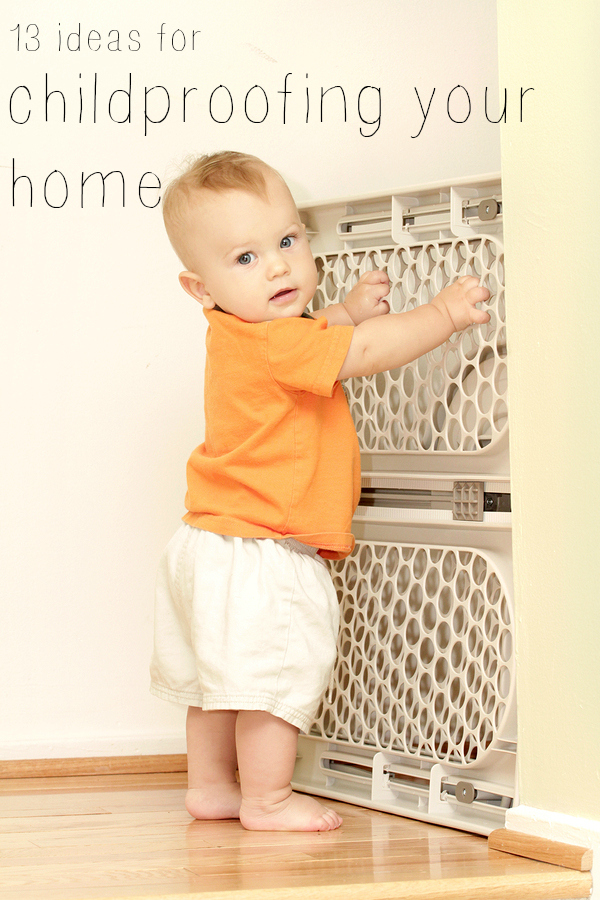
Have you ever heard a new mother joke that she would rather her baby not begin walking, because then she’ll have to chase him around? It’s true that carrying our children ensures that we know exactly where they are at all times, but even when a child begins to explore the world, there are ways to make that world safer.
Whether you are at home with small children of your own or you are looking for the best ways to childproof your childcare center or local business, there are ways you can organize and safeguard kitchen cabinets, drawers and other places where you might not want tiny hands.
Locks of Love
One of the most important ways to childproof your home is to keep kitchen and bathroom cabinets and drawers that contain harmful or dangerous items off limits.
First, get organized.
Don’t put things like poisonous cleaning products in the lower kitchen cabinets, if possible. Try storing plastic food containers, plastic dishes, dishtowels and other harmless items for areas within the reach of small hands.
Check out what’s available.
When it comes to latches and locks to keep your kitchen items safe, there are plenty of options. Hardware stores, specialty shops and super stores are all fine places to peruse options for safety latches. There are two main types of latches for cabinets and drawers.
- Magnetic locks – These often require a little more carpentry skill than some other choices. Once installed, only an adult with the proper “key” can unlock the cabinet.
- Hook Locks – These devices are simple to install. They consist of a bendable piece of plastic that hooks cabinet or drawers closed.
Elsewhere in the Kitchen
If you have harmful products stashed under a sink, those may be the first items you think about inside a kitchen – and with good reason! But there are other ways to keep your toddler safe in the most popular room of the house.
Use the back section of the stovetop.
If you’re boiling water or cooking, use the back burners. Keep the handles turned away from any side where your toddler might be able to reach.
Keep countertops clear.
Make sure appliances, knife sets and other kitchen gadgets are not at the edge of the counters, but pushed back and away from reach.
Elsewhere in the House
Latch your toilet seat.
More toddlers drown inside toilets than you could ever imagine. Keep your toilet seats closed and latched to prevent this.
Use an anti-scalding device for sinks and showers.
Don’t let your child turn on the hot water and burn himself. Install a device on the showerhead and faucet that prevents the water from becoming too hot. Most of these devices function by automatically reducing the water flow when it becomes a certain temperature.
You can also go a step further and install an anti-scalding device on your actual hot water heater. A professional plumber is usually the one to do this.
Cover outlets.
To avoid shock, cover all unused outlets with a safety cap.
Leave hairdryers and other bathroom appliances unplugged.
Even adults get burned sometimes – so remember to unplug any bathroom appliances and put them away after use.
Other Precautions for Safety
Use doorknob covers and baby gates.
If there are rooms in your house where you’d just rather not have children, try a simple doorknob cover or a baby gate to deter your toddler from entering.
Cover furniture edges with “bumpers.”
Children are prone to running around, falling and bumping their heads. You can prevent accidents involving the furniture by covering the corners with “bumpers” that soften the edges.
Avoid creating a “ladder” for windows.
Kids love to climb. That said, keep all furniture away from high windows, which can pose a falling hazard should your child climb onto the windowsill. Screens do not provide sufficient protection.
Keep cords out of reach.
Cords – whether from appliances or blinds – can strangle a child easily. Make sure your toddler cannot wrap him or herself in loose cords.
Keep bookcases and other structures sturdy.
Secure bookcases and any other furniture that could fall over onto a child by using brackets and anchors. Keep heavier items at the bottom to prevent a top-heavy structure.
Ensuring that your home is childproof is no easy task, but there are plenty of items to assist in your venture. And, other parents and visitors will feel at ease knowing that you’ve taken the time to create a safe environment for little people.
Angelo DiGangi is a Home Depot “on the floor” sales associate at a suburban Chicago store. His writing interests include providing kitchen design ideas for homeowners on the Home Depot website.


Latest Pins on Pinterest
-

-

easy baked ravioli recipe everyone will love! Also easy to pack inside a school lunch. with gluten free option
-

-

-

-

-

A fun and delicious breakfasty twist on salad!
-

No sew face mask project
-

Make your favorite Mac & Cheese recipe (or the box kind works nicely for this and the kids love it anyway ;). At the same time, throw together your normal Chili recipe (here’s a super easy chili recipe if you don’t have your own).
-

Make your favorite Mac & Cheese recipe (or the box kind works nicely for this and the kids love it anyway ;). At the same time, throw together your normal Chili recipe (here’s a super easy chili recipe if you don’t have your own).
-

Since we live in the country that is open to the brunt of all the weather (wind, wind and more wind), it is super important to provide the best support to garden plants right from the beginning. There is no “one best way” to do this. I usually work with whatever I have on hand as you can see from some of the included photos.
-

Since we live in the country that is open to the brunt of all the weather (wind, wind and more wind), it is super important to provide the best support to garden plants right from the beginning. There is no “one best way” to do this. I usually work with whatever I have on hand as you can see from some of the included photos.
