

15 Ways to Prepare Your Child for Their First Day of School
07 August 2013
No comments
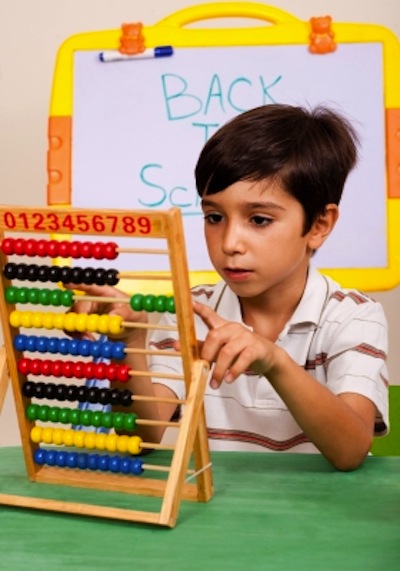
The first day of preschool is a scary one, both for you and your child. Here are some ideas for how to make that big step easier on both of you:
1. Pay a visit.
Visit the classroom with your little one to get them excited. This will not only create excitement, but help eliminate the first day nerves. Meeting his or her new teacher will also help by giving them a familiar face on the first real day of school.
2. Discuss the activities.
Tell your child what they’ll be doing every day. Think of it as explaining their schedule, even if they don’t have a firm grasp on time just yet. This way, when their teacher says, “OK. It’s snack time,” it will be an activity that your child remembers from their schedule. Schedules provide comfort and make the day flow more smoothly.
3. Pack their favorites.
A lunchbox filled with your child’s favorite snacks is a surefire way to chase some first day jitters away.
4. Leave a love note
First days are always a little scary so let your little one know you’re thinking of them. Leave a note in their lunchbox. Picture notes are great for those who aren’t reading quite yet.
5. Read books about preschool.
Reading stories out loud about how exciting preschool is will give your little one something to look forward to.
6. Buy the gear.
Go out together to shop for a new backpack, notebooks and crayons. New school supplies that he or she helped pick out will make them feel extra prepared and look forward to the big day.
7. Ask them.
Ask your child how they’re feeling. Are they excited? Are they nervous? Not only will talking through feelings prove therapeutic, but you may be able to put some of their worries to rest.
8. Set up play dates ahead of time.
If you receive a class list before preschool starts, give some of the parents a call. If your child has the opportunity to play with one or two of his or her new classmates before preschool even starts, she or he’ll be able to spot a familiar face on the first day.
9. Talk about the potty routine.
Many kids have just finished potty training when they start preschool. They may feel nervous about having to go while they’re in a new place. Talk about this before hand. Make sure they understand what steps to take. “Ask your teacher first.” “Don’t forget to wash your hands.”
10. Consider sending a comfort item.
If your child has a favorite blanket or stuffed animal, send it along with them. It will comfort them, especially during naptime when they’re trying to fall asleep in a new place. Just be sure to double check with the preschool to make sure it’s OK first.
11. Start bringing preschool up in day-to-day activities.
If your child draws a colorful picture, say “I bet you’re going to get to make other art projects like that at preschool.” If you see your little one share a toy, applaud them by saying, “Great job! Your new school friends are really going to love when you share with them.”
12. Share your own stories.
Reassure your little kiddo that when you started preschool, you were scared too, but then tell them about all of the fun you had and friends you made.
13. Goodbye routine.
Create your very own goodbye ritual. Maybe you sing a little song or give each other a hug and a kiss on each cheek. Maybe you recite a goofy poem. Routine makes kids feel safe so figure out your parting ritual and practice it before the big day. That way, when it comes time for the real deal, all the drills before hand will make using it for real, a treat.
14. Don’t linger.
If you look afraid, your child will pick up on it. And if you stick around too long when dropping them off, they’ll sense that something is wrong. You need to be as brave as you’re telling them to be. So put on a big smile and let your child know how excited you are for them to be taking the next big step!
15. Be on time.
Be on time when you pick up your child. Not only is it scary to watch all of the other classmates leave with their parents, while yours is nowhere to be found, but showing up late looks just plain irresponsible. So be there when you are supposed to be to pick up your child and hear all about their preschool adventures.
Sources:
-“10 Ways to Prepare Your Child for School.” Parents.com
-Fox, Isadora. “First Day Jitters: Getting Kids Excited About Preschool.” Parents.
-“Tips for the first day of preschool.” Babble.
-Photo courtesy of photostock/freedigitalphotos.net

Five Ways to Make your Backyard More Fun for Kids
02 August 2013
No comments
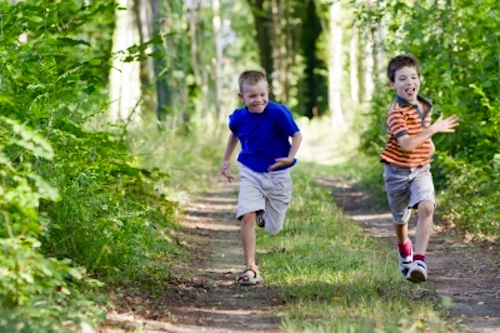
Backyards are prime spots for kids to let lose and run around. Playing outside can spark creativity as well as keep children active all summer long and well into the fall. Here are five ways to make your backyard more fun for kids:
Opt for a mud pit instead of a sandbox
Sand is the best, except for dirt, which has so many play options. With a little water, the dirt can be turned into clay and easily built into castles, cities and whatever else the little ones’ imagination inspires. Add a little more water and you have a messy mud pit. Just remember to hose off before letting them back inside!
Bury PVC pipes
Bury PVC pipes a few inches underground in a section of your garden, sandbox or anywhere else that’s not covered in grass. Make a maze of pipes and your kids will spend hours rolling their toy trucks and cars through them.
Plant a garden
Include the children when planning, planting and harvesting a backyard garden. Not only will they love lending a hand, but growing fresh fruit and veggies has a way of encouraging healthy eating habits.
Paint a chalkboard on your fence
Kids love drawing with chalk on pavement, but what if they could also do it on a special section of your fence? Purchase some chalkboard paint from your local paint store and put at least three solid coat on the desired area of the fence. Then let your kids’ imagination go wild.
Yarn bomb your own backyard
Yarn bombing, the trend of wrapping tree trunks in colorful yarn, has become popular in many urban areas. Why not bring it to your own backyard? Have your kids help pick out the brightest colors and then twist patterns around a few tree trunks in your yard. Not only is it an inexpensive way to add splashes of color to your yard, but the yarn won’t hurt the trees and it’s easy to remove when you get tired of it.
-Photo courtesy of chrisroll/freedigitalphotos.net

Getting Your Kids’ Brains Geared Up for the School Year
01 August 2013
No comments

The summer may not be winding down quite yet, but you want to make sure your kids’ school brains aren’t either. Use these fun activities to get their minds active and stimulated again. Get your kids’ brains geared up for the school year.
Get reading
Start a family list of books to read and have everyone participate. Then you can discuss favorite stories and authors. Hang a small whiteboard or chalkboard in the kitchen, with a few colorful markers or sticks of chalk. Keep the list running. When someone hears about a new book, they can add it to the list. Select a time to make a weekly trip to the library to check out a few from the board. Think of it as a family book club.
Summer camp
Scope out the educational camp scene in your area. Is there a space or archeology camp your little ones may be interested in? What about a young authors’ writing camp? Check with your kids’ school, community center or local library to see available camps in your town.
Bake a treat
Baking is a great way to keep busy, full and work on some math skills. For slightly older kids, measuring can be great for all sorts of math from adding and subtracting, to multiplying and dividing. For littler ones, baking is a good time to practice newfound counting skills.
Keep crafty
Crafts are the perfect way to both have fun and encourage an active imagination. Take advantage of the sunshine and nice weather by moving craft time outdoors. Plus, that means less mess indoors!
Sources:
-“5 Ways to Keep Your Kids’ Brains Active All Summer Long” Gaiam Life: http://life.gaiam.com/article/5-ways-keep-your-kids-brains-active-all-summer-long
-“Summer Brain Drain: How to Keep Sharp Over the Summer Break” Tutor Doctor: http://tutordoctor.com/blog/blog/summer-brain-drain-how-to-keep-sharp-over-the-summer-break/
-“25 Activities to Keep Kids’ Brains Active in Summer” Education World: http://www.educationworld.com/a_curr/profdev073.shtml
-Photo courtesy of stockimages/freedigitalphotos.net

Keeping the Bugs at Bay: How to Keep Kids Safe from Bug Bites
31 July 2013
No comments

Even though they’re small, bug bites can be a big problem. Not only are they downright annoying, but some insect bites bring dangerous diseases. Mom Trusted is here to break down different insects and their danger factors. Plus, we’ll tell you how to keep them away from your little ones. Here are a few tips on how to keep kids safe from bug bites:
Mosquitos:
These buggers are drawn to human breath and sweat, making children running around outdoors the perfect targets. Over time, our bodies begin to desensitize to the bites so kids are more likely to have worse reactions to mosquitos.
Risks: At best, mosquito bites are annoying and itchy. At worst, the insects can carry serious diseases such as malaria, West Nile virus and yellow fever. If you suspect any of these, see a doctor immediately.
Prevention: There are a variety of repellents available to keep mosquitos at bay. Always avoid DEET-based products on babies under six months old. If you do use DEET, or a repellent containing Picaridin, on your kids, make sure not to spray any on their hands or faces.
Treatment: Apply an anti-itch cream to help keep kids from scratching. Remind them that the more they scratch, the itchier the bite will get.
Ticks:
Ticks are gross parasites that attach to humans and survive by sucking their blood. They’re most common in heavily wooded areas and places with tall grass. Animals are also often tick carriers. Two of the most common types include wood ticks and deer ticks.
Risks: Wood ticks are much larger than deer ticks, but are not as likely to carry harmful diseases. Ticks of all kinds can carry several types of diseases including lyme disease, Babesiosis, Tularemia and Rocky Mountain Spotted Fever. If you or your kids start feeling achy, feverish or develop a rash after a tick bite, see a doctor right away.
Prevention: Cover your kids’ legs and ankles with pants and long socks when they’re playing in tall grass and heavily wooded area. DEET-based insect repellents also protect against ticks, but should not be used on babies.
Spiders:
A variety of spider bites can be very dangerous. The black widow, brown recluse and hobo spiders are all venomous ones that live in the U.S.
Risks: Black widows’ two-puncture bites release a venom that spreads pain to the victim’s chest, stomach and throughout the entire body in some cases. The venom from a brown recluse begins to kill the skin, which is why some refer to it as “flesh-eating.” Hobo spiders’ bites turn into slow-healing wounds over time. Head directly to the doctor’s office if you spot any of these symptoms.
Prevention: Spiders love to hide in quiet, undisturbed areas in both the woods and even in homes. Teach your children to avoid spiders and if you find them living in your house, call an exterminator to treat the area.
Sources:
-“Mosquito bites” Mayo Clinic: http://www.mayoclinic.com/health/mosquito-bites/DS01075
-“Tick-borne diseases” CDC: http://www.cdc.gov/niosh/topics/tick-borne/
-“Venomous spiders” CDC: http://www.cdc.gov/niosh/topics/spiders/
-Photo courtesy of foto76/freedigitalphotos.net

Is It Important to Feed Your Kids Organic Food?
25 July 2013
No comments

Lately, there’s been a lot of hype around eating all organic food. But is it all a fad, or is it important to feed your kids organic food? While there are definitely benefits to eating all organically, is it really absolutely necessary? Mom Trusted breaks down the pros and cons for you here:
Pros:
-Eating organically can help reduce the level of toxins in your body.
-It can also reduce the risk of many forms of cancer.
-Hormones used in inorganic animal reproduction can hinder sexual development.
-The DNA from genetically modified crops can transfer into our own bodies and natural bacteria.
-You are what you eat so eat naturally and nutritiously.
Cons:
-Eating all organically can be expensive. While it may not necessarily break the bank, paying a full $1 more on some veggies adds up over time, especially when you’re feeding a family.
-Scoping organic food can sometimes be a bit inconvenient, but as it’s becoming more popular, it is becoming easier to find.
The bottom line:
If you can foot the bill and don’t mind going a bit out of your way to find the best organic grocery spots, the health benefits are definitely worth it. If it’s too tough for you to swing financially, try to grab organic items here and there when you can or when they are on sale.
Remember that the only totally organic options say, “100% organic.” Even if they read “organic,” that only means they must be 70% organic. “All natural” is not organic either. If you’re looking to buy organically, always check labels carefully or head to your local farmers’ market and talk to the farmers themselves.
Sources:
-“Why choosing organic food matters” Baby Center: http://www.babycenter.com/0_why-choosing-organic-food-matters_3652375.bc
-“Organic foods: Are they safer? More nutritious?” Mayo Clinic: http://www.mayoclinic.com/health/organic-food/NU00255
-“The truth about organic food” Redbook: http://www.redbookmag.com/recipes-home/truth-about-organic-foods
-Photo courtesy of Witthaya Phonsawat/freedigitalphotos.net

How to Make Musical Instruments for Kids
24 July 2013
2 comments
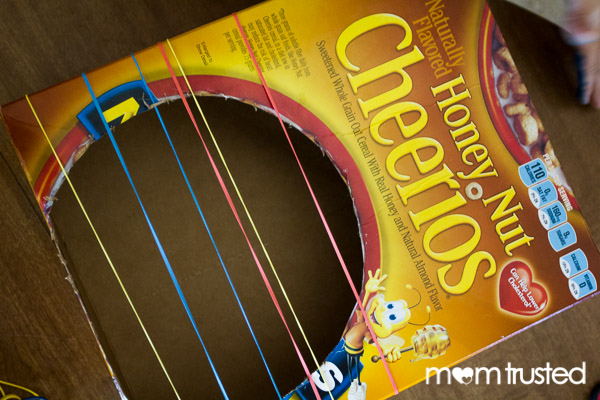
Homemade musical instruments are fun to make and to play. Here’s how to make musical instruments for kids:
Homemade Guitars
You’ll need an empty tissue box, a few rubber bands, an empty paper towel roll and a pencil.
Step 1: Have a parent or teacher cut an oval hole in the center of the tissue box.
Step 2: Stretch four rubber bands across the box and the center of the hole.
Step 3:Slide a pencil under the rubber bands, near the top of the box.
Step 4:Tape or glue the paper towel tube to the end that doesn’t have the pencil. This is the guitar’s handle. Strum away!
Check out the Cereal Box Guitars we made here!
Homemade Rainsticks
To make your own homemade rainsticks, you’ll need an empty paper towel roll, dried beans, aluminum foil, a brown paper grocery bag and markers.
Step 1: Trace the circular end of your paper towel tube onto a brown paper bag. Then, trace a circle around the first, making it about two inches larger. Cut one-inch thick straps between the first and second line. Glue the flaps to the paper towel roll.
Step 2: Cut tinfoil six inches wide and 150% the length of the roll. Squish the foil into a long strip and then twist it into a spiraling spring.
Step 3: Place the foil coil into your tube and fill 1/10 of the tube with dried beans. If you don’t have beans, popcorn or dry rice will also work.
Step 4: Repeat step 1 on the open end of the tube.
Step 5: Decorate the tube with markers or paint and let the glue dry.
Homemade Drums
Make your own drums using a cardboard oatmeal container, a brown paper bag and your choice of decorative items, such as glitter, sequins and ribbons.
Step 1: Cut and glue the brown paper bag to fit the outside of the oatmeal container.
Step 2: Have the kids glue decorative items all over the drum.
Step 3: snap the lid on and you’re ready to play!

5 Ways to Make Your Baby Smile
23 July 2013
No comments

If your baby just started smiling, you want to see that beautiful, cheeky smile all the time. Sometimes babies smile at new faces, but sometimes they enjoy looking at familiar ones. It can be tough to predict exactly what will make a baby smile, but Mom Trusted has a few tricks up our sleeve. Try these five ways to make your baby smile:
Go for the colors
Babies’ brains are still developing as they take in everything around them in their new, exciting world. Colors are one thing that can excite and catch a baby’s eye. Introduce your baby to colorful toys and items they can hold onto when they start being able to successfully grab objects at around three or four months.
Play with feathers
There’s nothing like a good tickle to get a baby laughing. Try using pretty, colorful feathers, which work great for babies who may not enjoy aggressive tickling the traditional way.
Make funny faces
Your face is your baby’s favorite to look at so your face making goofy faces may be the key to uncontrollable giggles. Try adding peek-a-boo to your silly faces to make your baby smile even more.
Belly raspberries
Make your baby smile by making raspberries on his or her tiny belly. (These are also called zerbits or belly bubbles).
Sing to your baby
Try singing a lullaby, a silly song or even one on the radio to your little one. People of all ages love music and, because music is still a new phenomenon for your child, it might be just the trick you need to make your baby smile. Over time, you’ll start to experiment and find out which songs make him or her smile most and even establish favorite types of music.
Sources:
-“9 Ways to Make Your Baby Laugh” parenting.com: http://www.parenting.com/gallery/9-ways-to-make-your-baby-laugh?pnid=108127
-“5 Ways to Make Your Baby Laugh” Yahoo! Voices: http://voices.yahoo.com/5-fun-ways-baby-laugh-4090891.html
-“7 Ways to Make a Baby Laugh” The Stir: http://thestir.cafemom.com/baby/135281/7_ways_to_make_a
-Photo courtesy of koratmember/freedigitalphotos.net


Latest Pins on Pinterest
-

-

easy baked ravioli recipe everyone will love! Also easy to pack inside a school lunch. with gluten free option
-

-

-

-

-

A fun and delicious breakfasty twist on salad!
-

No sew face mask project
-

Make your favorite Mac & Cheese recipe (or the box kind works nicely for this and the kids love it anyway ;). At the same time, throw together your normal Chili recipe (here’s a super easy chili recipe if you don’t have your own).
-

Make your favorite Mac & Cheese recipe (or the box kind works nicely for this and the kids love it anyway ;). At the same time, throw together your normal Chili recipe (here’s a super easy chili recipe if you don’t have your own).
-

Since we live in the country that is open to the brunt of all the weather (wind, wind and more wind), it is super important to provide the best support to garden plants right from the beginning. There is no “one best way” to do this. I usually work with whatever I have on hand as you can see from some of the included photos.
-

Since we live in the country that is open to the brunt of all the weather (wind, wind and more wind), it is super important to provide the best support to garden plants right from the beginning. There is no “one best way” to do this. I usually work with whatever I have on hand as you can see from some of the included photos.
