

Our Latest Preschool Activities
06 September 2012
4 comments
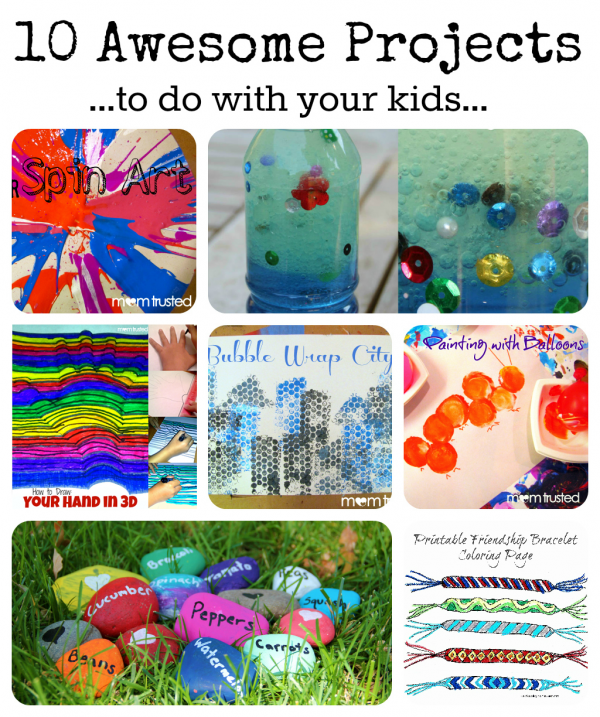
We’ve had a lot of fun lately doing activities with the kiddos and wanted to share them with you. Try our latest preschool activities with your kids this weekend or after school!
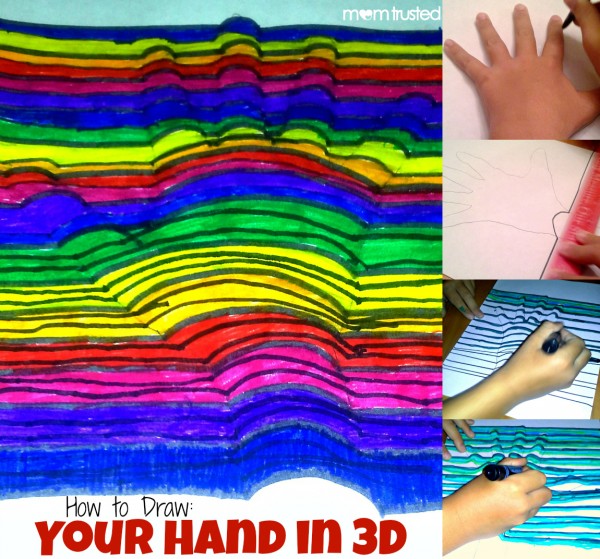
Learn how to draw your hand in 3D using this simple optical illusion technique.

Painting with balloons gives your child a new squishy, flexible tool to work with.

A bunch of ideas for teaching your child about the five senses.
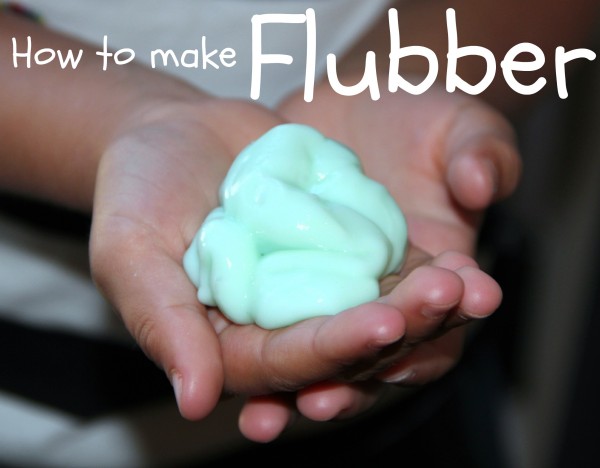
Recipe for how to make flubber. This stuff has an amazing consistency and isn’t as messy as it looks. :)

This is an adorable printmaking idea that your kids will love. I want to try this on canvas next time!
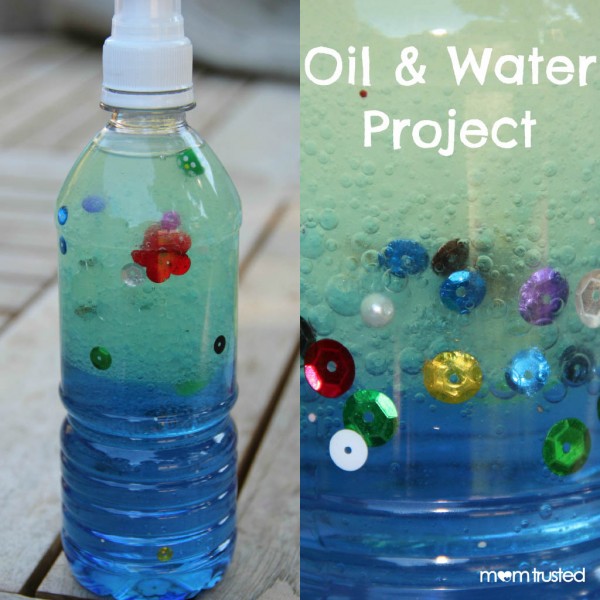
Fun little science project that’s easy, you probably have everything you need on hand, and the kids get to keep their experiment to play with.

We made this as a gift for my mother’s garden. She loved it and was surprised at how easy it was to replicate this project.
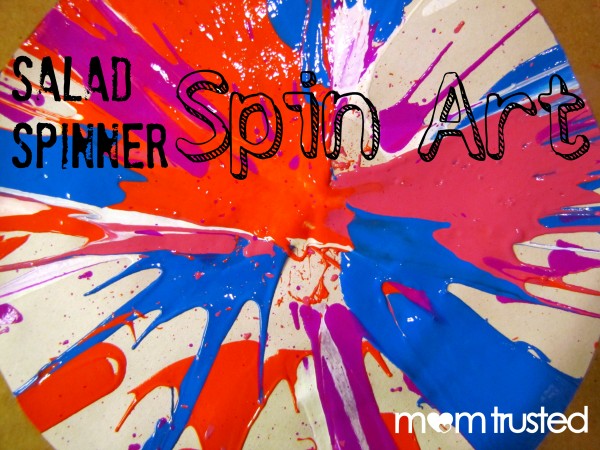
I am totally fascinated by spin art. My kids could do it for hours because each piece turns out different.

Cute printable coloring page for your little friendship bracelet makers. Just in time to start the school year.

Looking for a gift idea for grandparents? This one is perfect. Click through to see how to make this reverse hand print artwork.
Also be sure to like us on Facebook and follow us on Pinterest to get your daily preschool activities!
List of Special Needs Preschools and Child Care Centers in Chicago
03 July 2012
One comment
Here is our most recent list of preschools and child care centers who offer special needs support in the Chicago, IL area.
Easter Seals Gilchrist-Marchman Center | Learn more about this center here
Accepts children ages 6 weeks to 12 years
McKinley Roseland Head Start | Learn more about this center here
Accepts children ages 3 years to 5 years
Bridgeport Child Development Center II | Learn more about this center here
Accepts children ages 2 years to 11 years
McKinley Trumbull Park Day Care | Learn more about this center here
Accepts children ages 3 years to 5 years
Firman Community Services Day Care | Learn more about this center here
Accepts children ages 3 years to 5 years
Firman Community Services Daycare Rec. Program | Learn more about this center here
Accepts children ages 3 years to 5 years
Firman Community Services | Learn more about this center here
Accepts children ages 2 years to 12 years
McKinley Ersula Howard Child | Learn more about this center here
Accepts children ages 3 years to 17 years
Cyc Abc Polk Brothers Youth Center | Learn more about this center here
Accepts children ages 3 years to 12 years
Marcy-Newberry Association Newberry Center | Learn more about this center here
Accepts children ages 5 years to 13 years
Marcy-Newberry Association Marcy Center | Learn more about this center here
Accepts children ages 2 years to 13 years
Englewood – Messiah Head Start | Learn more about this center here
Accepts children ages 2 years to 5 years
The Guadalupe Reyes Children & Family Care | Learn more about this center here
Accepts children ages 3 weeks to 5 years
Loren Children Learning Center | Learn more about this center here
Accepts children ages 1 year to 6 years
El Valor Carlos H Cantu Child & Family Center | Learn more about this center here
Accepts children ages 3 weeks to 5 years
YMCA Marshall Family Development Center | Learn more about this center here
Accepts children ages 6 weeks to 3 years
Marcy-Newberry Association Austin Town Hall | Learn more about this center here
Accepts children ages 3 years to 5 years
YMCA Garfield Early Head Start | Learn more about this center here
Accepts children ages 2 years to 5 years
Daley Child Development Center – Child Care Center | Learn more about this center here
Accepts children ages 3 years to 10 years
Ada S Mckinley Maggie Drummond Mem DCC | Learn more about this center here
Albany Park Headstart | Learn more about this center here
Accepts children ages 3 years to 5 years
Firman Community Services South | Learn more about this center here
Accepts children ages 2 years to 12 years
Ada S. Mckinley Wright Renaissance Child Care Center | Learn more about this center here
Accepts children ages 3 years to 17 years
Special Needs Preschools in Brooklyn New York
10 May 2011
No comments
We’ve been getting requests for resources on special need preschools, so I would like to start compiling lists to make it easier for parents. You may also go directly to MomTrusted.comto search for special needs preschools in your area. Just enter your zip code, then select the special needs and preschool checkboxes on the map page.
Here’s the preschool list for Brooklyn. Click on the Preschool Name to learn more about them.
The Child Study Center of New York– 167-171 Clermont Avenue, Brooklyn, NY 11205
The Children’s Center For Early Learning– 83 Marlborough Road, Brooklyn, NY 11226
The Guild For Exceptional Children– 1273 57 Street, Brooklyn, NY 11219
Yaled V’ Yalda Early Childhood Center– 563 Bedford Avenue, Brooklyn, NY 11211
Yelad V’ Yalda Head Start– 600 Mcdonald Avenue, Brooklyn, NY 11218
Yeled V’ Yalda Early Head Start– 1263 38th Street, Brooklyn, NY 11218
Yeled V’ Yalda Early Childhood– 6012 Farragut Road, Brooklyn, NY 11236
Yeled V’ Yalda Early Childhood Center– 2166 Coney Island Avenue, Brooklyn, NY 11223
Yeled V’ Yalda Gan Ysroel Head Start– 3909 15 Avenue, Brooklyn, NY 11218
Yeled V’ Yalda Head Start– 1353 50 Street, Brooklyn, NY 11219
Yeled V’ Yalda Head Start– 4206 15 Avenue, Brooklyn, NY 11219
Yeled V’ Yalda Head Start– 6002 Farragut Road, Brooklyn, NY 11236
Yeled V’ Yalda Head Start– 1601 42nd Street, Brooklyn, NY 11204
Yeled V’ Yalda Early Childhood Center– 204 Keap Street, Brooklyn, NY 11211
Yeled V’ Yalda Early Childhood Center– 407 East 53 Street, Brooklyn, NY 11203
Yeled V’ Yalda Early Childhood Center– 5110 18 Avenue, Brooklyn, NY 11204
Yeled V’ Yalda Early Head Start– 6012 Farragut Road, Brooklyn, NY 11236
Yeled V’ Yalda Head Start– 12 Franklin Avenue, Brooklyn, NY 11211
Yeled V’ Yalda Head Start– 667 Eastern Parkway, Brooklyn, NY 11213
Kings Bay YM-YWHA– 3495 Nostrand Ave., Brooklyn, NY 11229
Kingsbay Y Afterschool Annex– 3043 Avenue W 1st Floor, Brooklyn, NY 11229
A.M.A. Family Daycare– 350 East 9th st., Brooklyn, NY 11218
Separation Anxiety: 8 Tips to help your child’s transition
09 February 2011
No comments
 Finding childcare and/or preschool that fits your needs is a relief. That relief, however, is generally short lived as it quickly comes time to take your child for the first time. More accurately, it comes time to say goodbye to your child for the first time. This emotionally volatile, stomach-turning moment is some painful for everyone involved. Many preschool teachers and childcare providers would probably argue that the children are more resilient than their parents… so here are a few tips that will help you manage the separation anxiety on both sides and make those first couple of weeks less stressful.
1. Prepare your child. Start talking to your child several weeks out about the changes that will take place. In language they can understand and make their own, talk through what the new day will look like.
2. Create excitement. As you talk to her, talk about the exciting things she will get to do in her new classroom or with her new friends.
3. Acknowledge it may be scary or sad. Be upbeat but don’t sugar coat the experience. Let him know he may be sad or get a bit scared and that is okay. Talk to him about what he can do if he feels like this. For younger children this is hard but it helps to focus on soothing activities or objects that will help him adjust.
4. Establish a routine. This is incredibly important. Children need structure and predictability especially in the face of change. Develop your own separation routine with your child. Let them help create the routine, making it theirs. It might be three hugs and 4 kisses. Or, it may be a story then waving goodbye from the window. Whatever it is, create it and stick to it.
5. Plan to stick around. The first week is usually the hardest. Schedule accordingly. Help your child ease into their new environment with you around as a safety net. Encourage him to explore more independently, gradually becoming more confident. This will help as you shorten your ‘drop off’ time
6. Find a goodbye buddy. Every preschool or childcare is different but if possible make a separation buddy. Talk with the teachers/staff members and determine what will work best for your schedule and who your child is naturally bonding with. Ideally, this will be part of your routine giving your child a sense of stability and security as you depart.
7. NEVER sneak away. While it may be tempting to slip away quietly while she is engaged in her new surroundings, you are only fanning any anxiety she may have. Mommy or Daddy disappearing is not a concept you want her to try to make sense of. Again, create your routine and stick to it.
8. Show interest in their day. Give your child a fun and open way to show you the things they did while you were away. This helps them know even though you are not their you still care and are thinking about them. It also makes finishing the day exciting and fun for them.
Time for a healthy breakfast
22 January 2011
No comments

Nutrition is a key ingredient in a child’s development. Nutrition plays an important role in long-term development but also in the day-to-day learning activity of young children. As a 2007 study pointed out the effects of nutrition are not limited to under nourished children, which clearly must be addressed, but also extends to children that many would consider well fed. They found statistically significant cognitive gains among all children who were given a vitamin and mineral supplement.
Recognizing the fundamental role of nutrition plays in the educational setting the U.S. Department of Agriculture just released a new proposal this week that changes the requirements for subsidized school lunches. The proposal was combined with new legislation extending the requirements to all school based lunches not just subsidized programs to improve nutritional standards for all school children and hopefully improve learning and development.
The proposal, though still in the early stages, changes the current standards to include more fresh fruits and vegetables and limits the amount of transfats and non whole grains served. While not blockbuster and likely still a couple of years from taking effect, the change highlights the importance of nutrition for a child’s learning and development.
As parents this is hopefully not news. It should be, however, a reminder that we (as parents) contribute to our children’s education and development in many important ways. Understanding all of the ways we can set our children up for success is the first step, making it a habit is the second and most important step. Most of us recognize the importance of healthy eating, but we also know how hectic the day can become when juggling work, kids, and any thing else life sends our way.
Morning times are probably the most challenging for most parents but most important for our children’s nutrition. The chaos that is the morning time generally determines at least two meals – breakfast and lunch. A small amount of planning can go a long way toward improving the morning time routines. Here are a few suggestions that may help alleviate the morning time stress and get you and the kids out of the house with a healthy meal in hand and stomach.
– Plan for the chaos when shopping: At the grocery store we all have grand plans and great meals in store, but those take time. Pick out items that are fast and nutritious for the morning. Ideally, they are items that are portable (ie a banana and whole grain peanut butter toast) having fast and healthy options available makes it much easier.
– Bedtime stories & brown bags: Add to your bedtime routine. Reading to our kids is critically important so why not go for the one two combination and involve your kids in packing their lunch for the next day. It’s an opportunity to have fun and involve your children in their own healthy development.
– Start early: Our children watch us from the very beginning. Create healthy habits from the very beginning, as they are much easier to reinforce and maintain than to create once they are older.
Under Construction: Your Child’s Brain
17 January 2011
No comments

Babies are born with their brains literally still under construction. While they have the majority of the building materials already on site the construction of the elegant and complex pathways of the brain are still very much in process. Babies are born with roughly 100 billion neurons already in place. Most of these neurons have not been ‘connected’ meaning they have yet to form into the useful pathways that enable vision or language. These connections are formed over the first ten years of a child’s life. More importantly, the brain develops in predictable stages based on the chemical changes occurring in the brain at that time. Because these stages are predictable scientists and developmental psychologists have been able to identify “prime times” for specific development activity and learning.
A recent publication by Judith Graham and Leslie A. Forstadt of the University of Maine detailed these prime times, what’s happening, and what a parent can do to support. Here is brief summary of their findings:
Helping your child’s vision
– From birth to age 6 a child’s vision is developing. There is a peak in development between ages 1 and 3.
– Babies, when born, can see clearly objects that are 8-10 inches away from their face. Over time they begin to develop greater depth perception.
– Eye exams are the biggest help a parent can give. If problems go uncorrected the neural pathways could lose functionality.
Helping your child’s feelings
– Emotions are a complex development process lasting through about age 10.
– The first emotions the brain builds are calm and distress at about 2 months these emotions begin to develop into more layered feelings.
– You can help nurture your baby’s emotional development by providing a structured and supportive environment. Simple things like expressing joy, providing routine, and positive discipline help your child develop robust and healthy emotions.
Helping your child’s language
– Language skills begin developing at birth and grow through age 7. Vocabulary specific development starts at age two and continues into adulthood
– The first 6 years are critical for brain development to understand, recognize, reproduce language.
– Talking to your baby is the most important thing you can do. Continually share your language and vocabulary with your child. As a baby the singsong talk is especially helpful in helping babies learn new words.
Helping your child’s motor skills
– A baby’s motor skill development starts with the large muscle groups and refines to smaller muscles from there.
– The basic motor skills (arms, legs, back, etc) start at birth, with fine motor development starting around 6 months old.
– Motor skills are refined primarily over the first 4 years of a child’s development
– You can help your baby’s motor skill development by having age and stage appropriate activities available. For example drawing with crayons or painting helps with fine motor skills while having reaching for objects helps large motor and hand eye coordination in younger babies.
Your child is equipped from the day she or he was born with all the tools needed to develop and grow into an amazing person. Understanding how your child develops will help you provide the best environment possible to stimulate those 100 billion neurons.
How to Choose Before and After School Child Care
04 November 2010
No comments
This video with Kathleen Bryan, 4C for Children, includes information on selecting quality before and after school care as well as summer camps for school age children.
Things to consider:
Supplies and Equipment
– variety of age appropriate choices that include games, arts and crafts, sports, and dramatic play
– be aware of outdoor and indoor environment
– should have enough materials so children do not have to wait to use them
Activities
The program should be balanced by activities that are lead by adults and activities that are child initiated (i.e. opportunities for children to choose their own toys, have time to read, listen to music, talk with friends, or just hang out by themselves).
Staff
– staff should have training on how school age children learn and grow
– understand that activities should be interesting, fun, and challenging
– allow school agers to work together on projects and encourage them to solve problems
– should be role models for your school age child
– energetic while maintaining a safe environment
– should be flexible and fun


Latest Pins on Pinterest
-

A Guide to talking to your kids about pride and lgbtq+ rights
-

easy baked ravioli recipe everyone will love! Also easy to pack inside a school lunch. with gluten free option
-

-

-

-

-

A fun and delicious breakfasty twist on salad!
-

No sew face mask project
-

Make your favorite Mac & Cheese recipe (or the box kind works nicely for this and the kids love it anyway ;). At the same time, throw together your normal Chili recipe (here’s a super easy chili recipe if you don’t have your own).
-

Make your favorite Mac & Cheese recipe (or the box kind works nicely for this and the kids love it anyway ;). At the same time, throw together your normal Chili recipe (here’s a super easy chili recipe if you don’t have your own).
-

Since we live in the country that is open to the brunt of all the weather (wind, wind and more wind), it is super important to provide the best support to garden plants right from the beginning. There is no “one best way” to do this. I usually work with whatever I have on hand as you can see from some of the included photos.
-

Since we live in the country that is open to the brunt of all the weather (wind, wind and more wind), it is super important to provide the best support to garden plants right from the beginning. There is no “one best way” to do this. I usually work with whatever I have on hand as you can see from some of the included photos.
