

Want to Give Your Single Mom Friends the Perfect Christmas Present?
22 December 2012
No comments

If you’re a parent with a partner, you may marvel at your single mom friends from time to time throughout the year and wonder how they manage to juggle it all. She may appear to have it all, and she probably doesn’t need any more lotion or candles, but I bet there are a few things on her list she is reluctant to ask for this Christmas.
Of course, much of this is true for single dads too.
Be a Good Elf
Young children can’t just head off to the mall to go Christmas shopping, but they will really feel proud if mommy unwraps something special from them on Christmas morning. You’re going shopping anyway… why not have a chat with mom and volunteer to bring the kids so they can buy something for her? She can give you a good idea of how to guide them and provide their shopping money, and it will be a real treat for her to be genuinely surprised by their gifts.
If she’s a single mom because of a breakup with the children’s father, she probably doesn’t enjoy shopping for their Christmas present for him, so that’s another way friends can step in and be helpful.
Think Outside the Box
It’s just plain fun to wrap up a lovely gift to hand someone, but some of the best gifts don’t lend themselves to being wrapped. You can’t actually create a few more hours in the day for your friend, but you can do the next best thing by helping her mow down that to-do list of things she hates doing. Is she annoyed by DIY jobs around the house she lacks the time, confidence or skills to do? How about a gift certificate from a local handyman? You can probably arrange not to specify the exact job to be done if you are concerned she will take offence. Everyone could use a few hours of skilled work fixing things around the house! If she doesn’t exactly love gardening, a gift certificate from a local landscaper to come and give the yard a good spring cleaning in a few months so it will be ready for the kids to enjoy might be just the thing. She’ll be reminded of your thoughtfulness long after Christmas. You can also make your own coupon good for an evening of you babysitting the kids.
Wrapping It Up
If you do want a more traditional gift of the easy to wrap variety, think about what will suit her busy life. A book of short stories is better than a long, complicated novel if she rarely has time to sit down and relax. A cookbook of quick and simple recipes might get more use than one full of ideas that involve hours of preparation. And if you’ve been a good elf and asked what she’d like from her children, you already have some good ideas.
Aishwarya Vohra is a part-time writer and a full-time home maker. She has written in other places like this Graco Nautilus 3-in-1 Car Seat Review. She has interest in all things creative, whether it is unique house decoration ideas or creating art from trash.
Safety Tips for Santa This Year
21 December 2012
No comments
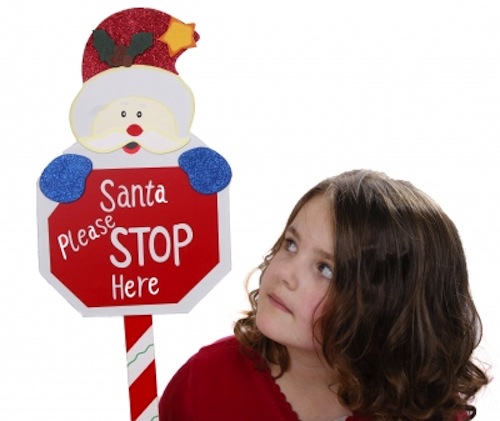 With over 2 million dangerous toys and children’s products recalled in 2012, Santa should be careful to put safety first this holiday season. When shopping for toys for your children, here are some safety tips to keep in mind:
Avoid toys with small parts.
For the obvious reason: small pieces mean choking hazards. Little hands like to put little pieces in little mouths so if your child is under 3 years old, stick to the big stuff.
Babies and balloons don’t mix.
Balloons pop or deflate, and create immediate dangers. When swallowed, deflated balloons can be deadly. Even while still inflated, balloons pose as suffocation risks. This safety tip isn’t just for tots; children under 8 should steer clear of balloons.
Avoid magnetic forces and lead.
Over the years, toy manufactures have raised the bar on eliminating lead from children’s products. This year, only one toy (a Morphobot action figure) was recalled due to high lead levels.
However, magnets are rising in both popularity and risk. High-powered magnets can cling together after swallowed, creating pinching at any point throughout the digestive track.
Wheels and helmets go together like peanut butter and jelly.
If you’re thinking about buying your little one a scooter, bike or skateboard this year, remember the most important accessory: a helmet. No one takes more bumps and falls than a kid on wheels so remember to protect their noggin.
But the caution can’t end after the toys are under the tree so keep the following in mind:
Small toy parts aren’t the only choking hazards.
Gift-wrapping can include bows, beads and plastic pieces. These pose as both choking and suffocation risks so keep a close eye on the kids, especially while they’re ripping open their presents.
Make sure the presents stay with the right receivers.
Remember how much you wanted to play with your big sister’s stuff? Even after the cleanup has happened, make sure that older children keep their gifts away from younger siblings and cousins.
Top 4 Fears for Children
20 December 2012
One comment
Children, especially younger ones, will naturally have fears of things that don’t bother adults. Some of their fears might seem illogical, but they are very real to these children. The good thing is that most children tend to outgrow these fears as they grow older and get more life experience. With that being said, here are the top five fears in children.
The Dentist
The dentist is definitely one of the more common fears in children. Many children become scared and anxious when they have to go see the dentist because they’re afraid they will experience pain. A parent can ease a child’s fear of the dentist by explaining the procedure beforehand and reassuring him that it will not hurt. It’s also a good idea to choose a pediatric dentist who can help relax a child and engage him in a conversation during the procedure.
Monsters in the Closet
A lot of little children believe there are monsters in the closet and fear going to bed at night. One way a parent can ease a child’s fear of monsters is to explain to them that monsters are only pretend characters on television. Another way a parent can reduce a child’s fear of monsters is to minimize scary movies on television and scary stories.
Thunderstorms
Thunderstorms can really scare children, especially very little ones. The loud sounds of thunder can cause panic. The best way to calm a child during a thunderstorm is to distract him with other noise. For example, a parent can turn up the radio really loud or watch a movie with his child during the thunderstorm.
Haircuts
Although getting a haircut is very normal for most adults, some children actually fear getting their hair cut. Whether a child’s fear of haircuts is caused by a bad first experience or fear of new things, their parent can do a couple of things to make him more comfortable. For example, a parent can find a salon that caters to children so that there are fun distractions around like novelty chairs to sit in and televisions.
Bill Weston writes on a number of subjects including the dentist.
Difficulties in Breastfeeding
10 December 2012
No comments
 It’s impossible to deny that giving your baby breast milk is the best possible choice, but breastfeeding isn’t always quite as easy as some would have you believe. As with many changes that occur upon becoming a mother, breastfeeding takes some adjustment, and you may encounter a few difficulties along the way.
- Nipple Pain: This is the single biggest complaint among new mothers who are trying to breastfeed their babies. You could feel an itching or even a burning sensation, but the good news is that over time, you’ll feel no discomfort when you get ready to feed your baby. There are a few reasons you may be feeling nipple pain right now, though. You could have the baby in the wrong position as he or she feeds or you may simply have some skin issues around your nipples. Make certain your baby achieves a good latch every time he or she feeds. It’s best to get baby to open that little mouth as wide as possible, then position yourself. You may also want to check your nipples for dry skin or thrush to help deal with the pain. Soap can easily dry your skin, as can ill-fitting bras, so watch out for problems as you begin to feed your baby. Check with your lactation consultant or pediatrician if you suspect thrush.
- Clogged Ducts: There are few things worse than a clogged duct, and they can make your breasts feel full, sore, and hot. While a clogged duct can’t hurt your baby, it can lead to infection in your body. If you notice a clog, rest as much as possible, take a hot shower, and apply a warm compress to your breast as you nurse. To avoid this problem in the future, make certain that your nursing bra fits well and avoid stress as much as possible.
- Engorgement: In those first few weeks, you may experience this painful condition. It may even make it difficult for your baby to properly latch on. While it will rectify itself in time, the best thing to do initially is to express a bit of milk before the feeding so baby has an easier time latching on.
- Low Milk Supply: This is actually rarer than you think. Most breastfeeding mothers make plenty of milk for their little ones, but it’s not always easy to tell how much milk baby is getting in any given feeding. If you do suspect you don’t have enough milk for your baby, your best bet is to contact a lactation consultant. She can help you make certain baby is getting enough, and in the event he or she isn’t, more frequent nursing or pumping is typically the best solution.
- Finding the Right Nursing Position: There are many different ways to nurse your baby, and in the early days, it may be tough to find the right one to meet your needs. You should try a variety of positions throughout the first few weeks until the two of you find one you like best. The chances are good that different situations will call for different positions. For example, at night, it might work best to nurse your baby in the side lying positions while during the day, you may be more comfortable with the traditional cradle hold.
Breastfeeding your baby can be an amazing experience, but it often takes a bit of work to get over the initial difficulties.
Pinkchic18 is a writer with a passion for parenting and babies. She also regularly contributes to the Parenting & New Baby Advice Blog, where you can find more articles on feeding baby along with unique baby gifts.
Attached Images License: Creative Commons image source
3 Practical Self-defense Tips for Children
10 December 2012
No comments
*Note from MomTrusted*
The information below is for extreme cases and while we don’t think it’s useful to scare your child or make them feel paranoid that people are out to get them, we do believe there are lots of constructive ways to teach these things to children to encourage safety. Below outlines what a child should do if they are being abducted but most children will never find themselves in this situation. Here is a great resource for teaching your child about stranger safety without scaring them: kidpower.org/library/article/safe-without-scared/
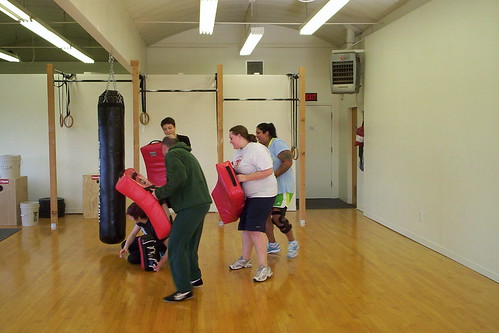
While everyday situations do not call for self defense, being aware of dubious situations and being able to defend yourself should the need arise is important for children growing up in our society. Below are three tips on how to defend yourself as a young adult or child.
Be Aware
When a child is away from their parents or in an area they don’t know, encourage them to pay attention to their surroundings. Avoid areas such as alleyways or unlit sidewalks, and try to provide them with information on where they could go if they got lost or separated, such as a store, front desk, or a police station, to try and get help. Make sure they know to avoid vehicles or people they do not know. Teach them to avoid talking with or going anywhere with strangers, such as an adult at the park who may begin to talk to them out of nowhere. Remind them that if they are approached by a stranger, they should go to an adult they do know or leave immediately to avoid any conflicts. Teach them to identify individuals who may be able to help them, such as a police officer, and how to contact authorities if this is necessary.
Getting Away
If something does happen to your child, give them ideas on what they can do to remove themselves from the situation. Encourage your child to make as much noise as they can, screaming things such as “help” or “fire” which will get the attention of people in the area. Encourage them to struggle and fight to get away, and remind them that in an emergency where they are potentially being taken or kidnapped, things like scratching or biting or pulling hair may help them escape. Remember to include that if they are able to get loose, they should run away as fast as they can, continuing to ask for help and encouraging people to call 911. A self defense class may be a good way to help them feel they have a way of getting away if something were to happen, as this will help your child have a positive way to defend themselves if they are at risk for being harmed or taken. Most rec centers, gyms, or local activity centers have classes for children in self defense.
Inform and Alert
Teach your child how to move with a group and know their information. Your child should always stay with a group whenever possible, and never leave the house by themselves, especially after dark. Encourage your child to take a dog with them if they own one when going out on walks or running errands if at all possible. A child should always know 911, as well as their address, phone number, and name of at least one parent or guardian. Make sure they know their way around where they are going, as well as escape routes or shortcuts if they need to make a quick escape. They should also know how to get to a safe location other than home, such as a bank, store, or school, as these places are all locations where there are adults who can help with a situation as needed.
Christopher Watson is a martial arts instructor with a background in security and recently contributed to the Top 10 Best Online Homeland Security Degree Programs for professionals looking to get quality training in security from home.
Attached Images:License: Creative Commons image source
Why We Love PBS
07 December 2012
No comments

Sure we love Arthur and Clifford, but TV shows with cute animals isn’t the only reason we love PBS. PBS has perfected fun education by producing interactive activities and even developing it’s own learning initiative program.
Ways PBS is helping tots and preschoolers:
Early learning for children through the Ready to Learn Program
The Ready to Learn (RTL) program’s goal is to narrow the achievement gap in education. RTL, a partnership between PBS, the Corporation for Public Broadcasting, Congress and the U.S. Department of Education, uses media to promote math and literacy education, especially for at-risk kids.
While a lot of the RTL program is geared toward older kids, PBS dedicates a special commitment to early education. The program uses educational content in its media to make learning fun. Both math and literacy skills framework, based on state guidelines, help direct RTL television content, such as Curious George and Sid the Science Kid. The framework also influences RTL educational video and computer games.
Educational computer games
Computer games on PBS Kid’s website are engaging for kids, but also promote learning. The Cat in the Hat’s Sketch-a-Mite teaches shape recognition through drawing, while the Hermit Shell Crab Game demonstrates measurement by having the kids match crabs into the right sized shells. Dinosaur Train Camera Catch’s flying dinosaurs instill pattern recognition in children 3 to 5 years. With scores of free, educational games, and a large portion of them for preschoolers, PBS makes learning more fun than ever.
PBS Parents
PBS doesn’t just cater to the tots. It has its own section for parents, filled with recipes, game ideas and crafts. Read up on how to make yummy (and simple!) chocolate bark. Learn how to make crystallized snowflakes out of pipe cleaners. But it’s not all crafts and treats in PBS’s parent corner. The site offers helpful advice on everything from building confidence in girls to helping your little ones eat healthier.
Sources:
–PBS.org
–PBSkids.org
Attached Image License: Some Rights Reserved image source
Lack of Early Education…a National Security Issue?
05 December 2012
No comments

Lt. Gen. Norman r. Seip has a very interesting take on the need for early education. He believes that the lack of focus on early education is a national security issue. His reasoning? National security isn’t about aircraft carriers it’s about having enough qualified women and men to fly them. He says that “75 percent of young Americans are unable to qualify for military service, primarily because they are too poorly educated, physically unfit, or have a criminal record”. That’s stunningly high. Check out the article here for the full story.
http://thehill.com/blogs/congress-blog/education/270897-prioritize-investments-n-early-learning


Latest Pins on Pinterest
-

-

easy baked ravioli recipe everyone will love! Also easy to pack inside a school lunch. with gluten free option
-

-

-

-

-

A fun and delicious breakfasty twist on salad!
-

No sew face mask project
-

Make your favorite Mac & Cheese recipe (or the box kind works nicely for this and the kids love it anyway ;). At the same time, throw together your normal Chili recipe (here’s a super easy chili recipe if you don’t have your own).
-

Make your favorite Mac & Cheese recipe (or the box kind works nicely for this and the kids love it anyway ;). At the same time, throw together your normal Chili recipe (here’s a super easy chili recipe if you don’t have your own).
-

Since we live in the country that is open to the brunt of all the weather (wind, wind and more wind), it is super important to provide the best support to garden plants right from the beginning. There is no “one best way” to do this. I usually work with whatever I have on hand as you can see from some of the included photos.
-

Since we live in the country that is open to the brunt of all the weather (wind, wind and more wind), it is super important to provide the best support to garden plants right from the beginning. There is no “one best way” to do this. I usually work with whatever I have on hand as you can see from some of the included photos.
