

Extreme Parenting: The Family on Bikes
22 January 2013
No comments

The biking family: John, Daryl, Davy and Nancy Vogel
The Vogel family spent multiple years of their lives on bikes. During their largest journey, they traveled 17,300 miles along the Pan American Highway. Their journey took them from Alaska to Argentina, through 15 countries. The Vogel’s twin sons were 10 years old at the time. Mother, Nancy Sathre-Vogel talked to us about traveling by two wheels, with two kids.
MomTrusted: What made you decided to start your biking journey?
Nancy: Although we are more known for cycling from Alaska to Argentina, that journey actually started a couple years earlier when we made the decision to take a one-year career break and cycle around the USA and Mexico. Our twin sons were 8 at the time, and my husband and I decided we wanted more time with them. We had also lived overseas for most of our sons’ lives and wanted to show them their own country – and there’s no better way to do that than on a bicycle.
As we cycled the Pacific coast on that one-year trip, we met some other cyclists who were on their way to Argentina. “Let’s go!” we thought. But reality kicked in and we realized we were not adequately prepared for such a journey. We continued with our loop around the USA and set our sights on a separate journey at another time.
Our “one-year career break” kinda, sorta got extended…
MomTrusted: I know you’ve done a lot of family bike trips. When was the first and where did it take place?
Nancy: We haven’t taken all that many family bike trips, but each one was, shall we say, rather long? Although my husband and I bike toured extensively before our children were born, their first bike tour came when they were 7. That summer we took a 4-day trip into the mountains around Idaho, and then a few weeks later a 2-day trip to the Snake River canyon. That was it until we set off for our one-year trip around the USA, which led to our 3-year trip from Alaska to Argentina.
MomTrusted: I know you and your husband are both teachers. How did you budget for your trips?
Nancy: For our first big trip, we financed it completely with savings.
Once we decided to cycle the length of the Americas, we had to get creative. We rented out our home (it was paid for, so rent was income), wrote articles for magazines, sold ads on our website, and anything else we could do to bring in a few bucks. Anything not paid for with those, came out of savings.
MomTrusted: What was the biggest challenge of bringing kids along on your journeys?
Nancy: I think the hardest part was dealing with the critics. Although my husband and I felt that our travels were the best childhood we could provide for our children, there were those who felt we were using and abusing our children. Because of their criticism, I spent countless hours evaluating and reevaluating my motives to see exactly why I was doing what I was doing. I came to the conclusion that biking around the world might not be perfect for all kids, for our children it was the best thing going.
Our society raises us in such a way that we should grow up to want certain things. The expectations of society are that we will want the big house in the suburbs, three cars in the driveway, soccer and gymnastics for the kids, and all that. When we made the decision that the expected life wasn’t the life we wanted, there were people who felt very strongly that we weren’t being fair to our children. That’s a hard thing to deal with.
MomTrusted: What’s the best part of having your kids join you on your travels?
Nancy: We got to see the world through their eyes. Children have this ability to see things that we adults miss, and they brought us into their world. We were also received differently by the people we met because of our children – the kids opened doors we never would have known existed!
MomTrusted: What are you doing now? Do you have any other big adventures planned?
Nancy: For now, we are living in Boise, Idaho. John and I have the parenting philosophy that we want to give our children as many varied experiences as possible. They lived the expat life overseas when they were small. They spent four years living full time on bicycles. Now we want to give them the opportunity to put down roots and be part of a greater community.
Our sons are still homeschooled, but are taking advanced math and science through the local schools. They are also in Boy Scouts and on a robotics team. One of them has taken up running and is part of the local cross country and track teams; the other is on the swim team.
We are loving our lives here in Idaho!
Your Toddler and TV: Why it’s Unhealthy
21 January 2013
No comments
Children who increased the number of hours a week they spent watching TV between the ages of 2 and 4 may risk weight problems later on in life, a new study shows. After surveying the TV habits of more than 1,300 children, the Canadian study found that children whose weekly TV intake increased over the two-year time period had a higher-than-average waist circumference by age 10, and may have a greater chance of becoming overweight as adults.
The American Academy of Pediatrics recommends that children older than 2 not watch more than two hours of TV per day. The study found watching 18 hours of TV a week at 4.5 years of age would result in an extra 7.6 millimeters of waistline by age 10. Watching more than the recommended amount of TV may set up these youngsters for weight problems in high school and into adulthood.
Remaining sedentary throughout the day and eating nutrient-rich food is primarily to blame for the study’s results. The average amount of time spent in front of the TV was 8.8 hours per week at the start of the study (age 2). This increased to 14.8 hours per week by the end of the study two years later. Although XL toddler Halloween costumes may seem cute now, it may actually be an indication of a problem your child will battle later in life.
Changes You Can Make
If you’re a parent with a baby or a toddler, there are certain things you can do to limit their time spent in front of the TV and nip this potential health problem in the bud. First, permit your child to watch no more than two hours of TV per day. This includes movies. Encourage them go outside and be active; sign them up for peewee sports teams or just give them something to do in the great outdoors. Yes, it’s OK to make them do it – you are the parent, after all. Just like watching TV, playing sports and being outside enjoying Mother Nature are also habit-forming. An active lifestyle allows kids less time to be sedentary.
Remember to limit what they eat while watching TV, or eliminate this entirely. Give them nutritional supplements from companies such as Fortune-Hi Tech Marketing to help ensure they are getting the correct amount of vitamins, minerals and nutrients. Eating a box of cookies while watching TV is a fast track to cardiovascular problems later in life, as well as put them at risk for diabetes and other complications.
Make TV Time Count
If your toddler is going to watch TV for an extended period of time, make sure it’s educational, like “Sesame Street” or “Dora the Explorer” – at least they’ll be working out their minds, if not moving their bodies.
Serious Health Risks
Beyond the health risks associated with a child being overweight and possibly diabetic, there are other negative effects of watching so much TV. The toddler years are an important developmental phase and habits children learn during this time are often formed for the rest of their lives. Excessive TV may also lead to social problems, as TV is no substitute for real-world interaction with children their own age.
Setting limits on the amount of TV your child can watch is only part of the battle. Making healthy choices like using FHTM products and getting your children outside will also help your child want to be healthier and more active.
Lenny Houston A nutritionist and weight trainer, Lenny has also devoted much of his time to creating healthy and delicious recipes for people with food restrictions and allergies. He is currently working on a cookbook for the vegan, gluten free and diabetic.
Do Early Preschool Programs Start Kids Too Young?
18 January 2013
No comments
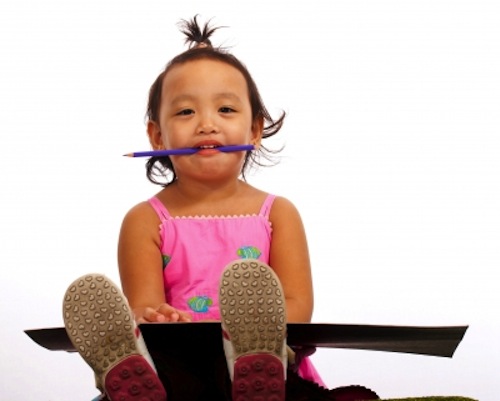
How early is too early to start your child in a school-based program? Can a two-year-old really gain anything from an early learning program? Are these programs really just daycares in disguise? These are all questions that may run through your mind when considering if you should enroll your child in an early preschool program, sometimes referred to as “Two’s programs.”
Don’t worry! Enrolling your two-year-old in an early learning program is neither too strict nor silly. Some benefits of early childhood education include:
-Improved social skills
-Practice interacting with adults
-Early intervention and the opportunity to spot any developmental delays
Here are some tips on what to look for if you decide to enroll your child in an early preschool program:
-Read reviews to get an idea of what’s available
-Visit the school to get a feel for the early program.
-Meet with the teacher and ask them about experience, background, and daily activities.
-Look for smaller group sizes. This is important, especially for little ones just starting out who aren’t used to learning in big group settings yet.
-Make sure the program offers plenty of communication through conferences, phone calls and any other form. This is an opportunity to learn about your child’s strengths, weaknesses and interests.
Sources:
-“What are the Benefits of Early Childhood Education?” LiveStrong
-“Early Preschool: Too Young for School?” Parenting.com
-Photo courtesy of Stuart Miles/freedigitalphotos.net
20 Fun Baby Facts
17 January 2013
No comments
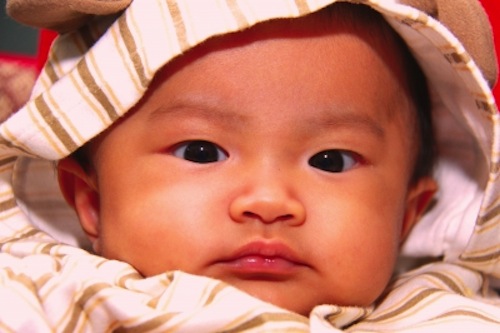
1. Some babies can start to recognize a mother’s voice at as early as two days old.
2. Four out of 10 babies have at least one birthmark when they’re born.
3. We have 206 bones, but babies are born with 300 because many fuse together as they grow.
4. Crying helps calm babies down because tears release a stress hormone. However, it takes between three weeks and five months for babies to actually develop tears when crying.
5. Babies quickly lose any hair that they’re born with.
6. Smiling isn’t just copying, but rather something that comes naturally to babies. The fact that blind babies smile proves it!
7. The most popular day for childbirth in the U.S. is Tuesday.
8. A newborn’s heart beats about twice as fast as an adult’s.
9. All babies are born prematurely and some doctors refer to their first few months of life as the fourth trimester.
10. Over four million babies are born each year in the U.S.
11. Newborns have poor eyesight and can only focus on objects about eight inches away. They are not, however, colorblind, contrary to popular belief.
12. Baby tummies are tiny. An eight-pound baby can only drink about three ounces of milk at a time.
13. A baby is born somewhere in the world every three to five seconds.
14. Newborns don’t sweat. Their sweat glands have yet to fully develop.
15. Almost all babies are born with blue eyes and a pug nose.
16. Babies’ sense of smell is much stronger than adults’. They use this to get to know their mothers early on.
17. After only a few days, mothers can distinguish their children’s cries from those of other babies.
18. Babies are born without kneecaps.
19. Infants learn emotions by imitating adults’ expressions.
20. Baby brains double in size during the first year.
Sources:
-“Surprising facts about birth in the United States.” Baby Center.
-“21 fascinating facts about your baby.” Bounty.com.
-“25 facts you should know about a newborn baby.” Milliontalks.com
-“Fun Baby Facts.” Kinderpods.
-Nixon, Robin. “11 Facts Every Parent Should Know About Their Baby’s Brain.” Live Science.
-Photo courtesy of koratmember/freedigitalphotos.net
5 Toddler Clothing Must-Haves
15 January 2013
2 comments

Toddlers are constantly on the go. They’re crawling, rolling, running and falling. Clothing that’s both easy to move around in, but strong enough to withstand the abuse it’ll go through is key. Read up on some of MomTrusted’s toddler must-haves.
Cotton shirts
Go for cotton. Cotton’s one of the easiest fabrics to wash and dry. It doesn’t wrinkle as badly as some. Plus, it’s usually one of the least expensive fabrics, making it easier to part with when it gets a giant grape juice or grass stain. Also, avoid turtlenecks (unless they have snaps) because they tend to be tough to fit over heads when bodies are squirming around.
A cozy, hooded jacket
Warm exterior is essential for little ones in a chilly climate. Toddler love to run wild outdoors so make sure they’re prepared to fight the elements. A hood is also important for keeping ears warm and they’re great because they won’t get lost like hats and ear bands.
Black leggings
Leggings stretch, making them easy to move around in and easy for you to put on your child. Black is key because the color camouflages grass stained knees and a sandy behind.
Real shoes
For the first time, your little one will need regular shoes instead of little booties or socks. Since walking’s a bit new, make sure they have a sticky, rubber sole for extra traction. Also keep in mind that laces can be annoying since toddlers can’t tie bows yet. You may want to opt for Velcro.
Warm PJs
Make sure to keep your child warm by buying him or her snuggly sleepwear. Fleece is nice and toasty. Plus, it’s soft! Avoid onesies, especially for those in the process of potty training. Accidents are most likely to happen at night and onsies can be tough for your tot to wiggle out of and they make the changing process tough.
Sources:
-“Products you need for you toddler.” Baby Center.
-Photo courtesy of freedigitalphotos.net
7 of the Healthiest Foods to Feed Your Baby
14 January 2013
No comments
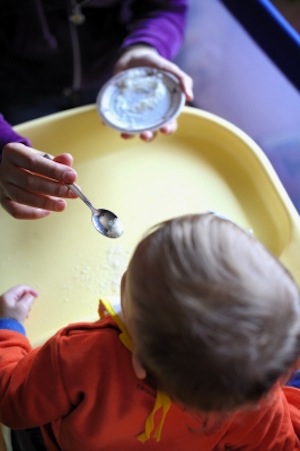
Around four to six months, babies begin to develop the coordination to swallow foods. When moving from milk to solids, start slow with mushy foods. And remember that you can blend just about anything into an easy-to-swallow puree. Here are some healthy options for baby solids:
Baby cereal
Mix baby cereal with breast milk for an easy transition. This will start to get your child used to a thicker consistency, while still keeping things familiar. Plus, the extra grains are a great source of iron.
Avocados
The unsaturated fats in avocados are similar to those in breast milk so avocados make for another great transition food. Plus, they make great snacks on the go! They travel well because they can stay at room temperature.
Squash
High in vitamins A and C, cooked squash is simple to prepare and a baby favorite. It’s gooey texture is easy to eat and tough to choke on. Squash’s vitamin C will build a healthy immune system, help heal wounds and build scar tissue. The vitamin A will help with vision and maintain healthy skin, hair and teeth.
Apples
Apples are a tasty treat that little ones love. Just like squash, they’re high in vitamin C. Just peel the skin and chop the apples into tiny pieces to prevent choking.
Beans
Try feeding your child kidney or pinto beans. By about eight months old, you baby should be old enough to eat beans and they’re easy to prepare- just serve them right out of the can. Beans are a great source of protein and antioxidants.
Broccoli
Just because you didn’t like broccoli as a kid, doesn’t mean your baby won’t. Broccoli tends to get a bad rep taste-wise, but you baby doesn’t know that. Not only is it filled with calcium and fiber, but chilled broccoli can provide some relief for teething little ones.
Bananas
Gooey and easy to gum, bananas are a great choice for those just starting out on solid foods. You don’t even need teeth to eat them. Plus, bananas are a great source of potassium, key for healthy muscles. They could even help sooth the ache of growing muscles.
Sources:
-“The ten best foods for babies.” Baby Center
-“Vitamin C” and “Vitamin A” Medline Plus
-“Solid Foods.” Mayo Clinic.
-Photo courtesy of federico stevanin/freedigitalphotos.net
5 Child Napping Tips
11 January 2013
No comments

Learn to recognize naptime.
Keep your eyes peeled for yawning, rubbing eyes and fussiness. When your baby is tired, he or she should sleep. Parenting.com recommends following this table for an estimated sleep guide:
| Age | Total Sleep | Nighttime Sleep | Naps |
| Newborn-2 months | 16-18 hours | 8-9 hours | 7-9 hours (3-5 naps) |
| 2-4 months | 14-16 hours | 9-10 hours | 4-5 hours (3 naps) |
| 4-6 months | 14-15 hours | 10 hours | 4-5 hours (2-3 naps) |
| 6-9 months | 14 hours | 10-11 hours | 3-4 hours (2 naps) |
| 9-12 months | 14 hours | 10-12 hours | 2-3 hours (2 naps) |
| 12-18 months | 13-14 hours | 11-12 hours | 2-3 hours (1-2 naps) |
| 18 months-2 years | 13-14 hours | 11 hours | 2 hours (1 nap) |
| 2-3 years | 12-14 hours | 10-11 hours | 1-2 hours (1 nap) |
| 3-5 years | 11-13 hours | 10-11 hours | 0-1 hours (naps stop by age 5) |
| 5-12 years | 10-11 hours | 10-11 hours | No naps |
Don’t wake a baby mid nap.
Disrupting a sleep cycle part way through will likely result in a crabby baby.
Avoid napping on the move.
It’s not a big deal if your child falls asleep in the car while you’re running errands, but don’t rely solely on these naps on the go. Just like adults, in order to feel fully rested, your child needs to sleep in his or her own bed.
As babies mature, gradually separate feeding from napping.
Newborns will often fall asleep while feeding. This is totally normal, but you want to make sure that feeding is not the only way your baby can fall asleep. In order to avoid this, start to take a break after feeding and then putting your baby down for a nap.
Routine is key.
Stick to a set schedule. Your little one will sleep better and wake up feeling more rested if his or her body is used to sleeping at a certain time. Keep your nap routine daily and make sure that both nighttime sleep and naptime sleep happen in the crib. This way, your baby begins to associate a bed with sleep.
Sources:
-Bhargava, Hansa. “Baby Napping DOs & DON’Ts.” WebMD.
-Gelman, Lauren. “Baby and Children Sleep Chart.” Parenting.com.
-Photo courtesy of David Castillo Dominici/freedigitalphotos.net


Latest Pins on Pinterest
-

-

easy baked ravioli recipe everyone will love! Also easy to pack inside a school lunch. with gluten free option
-

-

-

-

-

A fun and delicious breakfasty twist on salad!
-

No sew face mask project
-

Make your favorite Mac & Cheese recipe (or the box kind works nicely for this and the kids love it anyway ;). At the same time, throw together your normal Chili recipe (here’s a super easy chili recipe if you don’t have your own).
-

Make your favorite Mac & Cheese recipe (or the box kind works nicely for this and the kids love it anyway ;). At the same time, throw together your normal Chili recipe (here’s a super easy chili recipe if you don’t have your own).
-

Since we live in the country that is open to the brunt of all the weather (wind, wind and more wind), it is super important to provide the best support to garden plants right from the beginning. There is no “one best way” to do this. I usually work with whatever I have on hand as you can see from some of the included photos.
-

Since we live in the country that is open to the brunt of all the weather (wind, wind and more wind), it is super important to provide the best support to garden plants right from the beginning. There is no “one best way” to do this. I usually work with whatever I have on hand as you can see from some of the included photos.
